-300x300.png)
-300x300.png)

您可以向我们发送询盘,以获取更多信息和最新价格。

.png)
锆粉呈 灰色至银灰色金属粉末,采用 氢化脱氢法(HDH)或气雾化法 制备。
具有极高的耐蚀性与热稳定性,可在真空、高温及强腐蚀环境下保持稳定。
主要特点:
✅ 高熔点(1852°C)与优异热稳定性;
✅ 高纯低氧,适合真空及高温工艺;
✅ 低中子吸收截面,适用于核工业;
✅ 良好的塑性与导热性;
✅ 可用于粉末冶金与化学催化。
⚙️ 粉末冶金与合金制造:用于Zr合金、ZrTi合金与耐蚀部件;
⚛️ 核能工业:用于核反应堆包壳管、结构件与吸热材料;
⚗️ 化工设备:用于强酸碱反应器与换热器材料;
💡 真空冶金与镀膜:用于高真空吸气剂与溅射靶材;
🧪 科研实验与高温材料:用于高纯金属与陶瓷复合体系研究。
| 参数 | 典型值 / 范围 | 重要性说明 |
|---|---|---|
| 化学式 | Zr | 高熔点稀有金属粉 |
| 纯度 | 99.5% – 99.99% | 高纯科研级 |
| 外观 | 灰色金属粉末 | 均匀细腻 |
| 粒径范围 | 1 – 45 μm(可定制) | 影响烧结与反应性能 |
| 制备方法 | HDH / 雾化 | 氧含量低、颗粒均匀 |
| 密度 | 6.52 g/cm³ | 高密度金属 |
| 熔点 | 1852°C | 耐高温性能优 |
| 电导率 | 2.3×10⁶ S/m | 导电性稳定 |
| 热导率 | 22.7 W/m·K | 热传导良好 |
| 氧含量 | <0.1% | 适合真空冶金应用 |
| 材料 | 主要优势 | 典型应用 |
|---|---|---|
| Zr(锆) | 耐腐蚀、低中子吸收 | 核能、化工设备 |
| Hf(铪) | 高温强度高 | 超高温材料 |
| Ti(钛) | 轻质耐蚀 | 航空、医疗 |
| Nb(铌) | 超导、耐热 | 电极、真空部件 |
| 问题 | 答案 |
|---|---|
| 锆粉的主要用途是什么? | 用于核能、合金、真空吸气剂与涂层。 |
| 是否具有磁性? | 无磁性,适用于电子与核领域。 |
| 是否易氧化? | 易与空气反应,需惰性或真空储存。 |
| 熔点是多少? | 约1852°C。 |
| 是否可用于3D打印? | 可提供球形雾化锆粉。 |
| 是否可用于化学反应? | 可,用于催化与吸气材料。 |
| 是否可定制粒径? | 可提供1–100 μm不同规格。 |
| 是否环保? | 无毒可回收,符合RoHS与REACH。 |
| 是否适合真空应用? | 是,具有高真空兼容性。 |
| 包装方式? | 真空密封、防潮铝箔袋或瓶装。 |
所有锆粉出厂前均经过 ICP 杂质检测、O/N 含量测试与粒度分析。
提供多种规格包装,支持科研零售与工业批量交付。
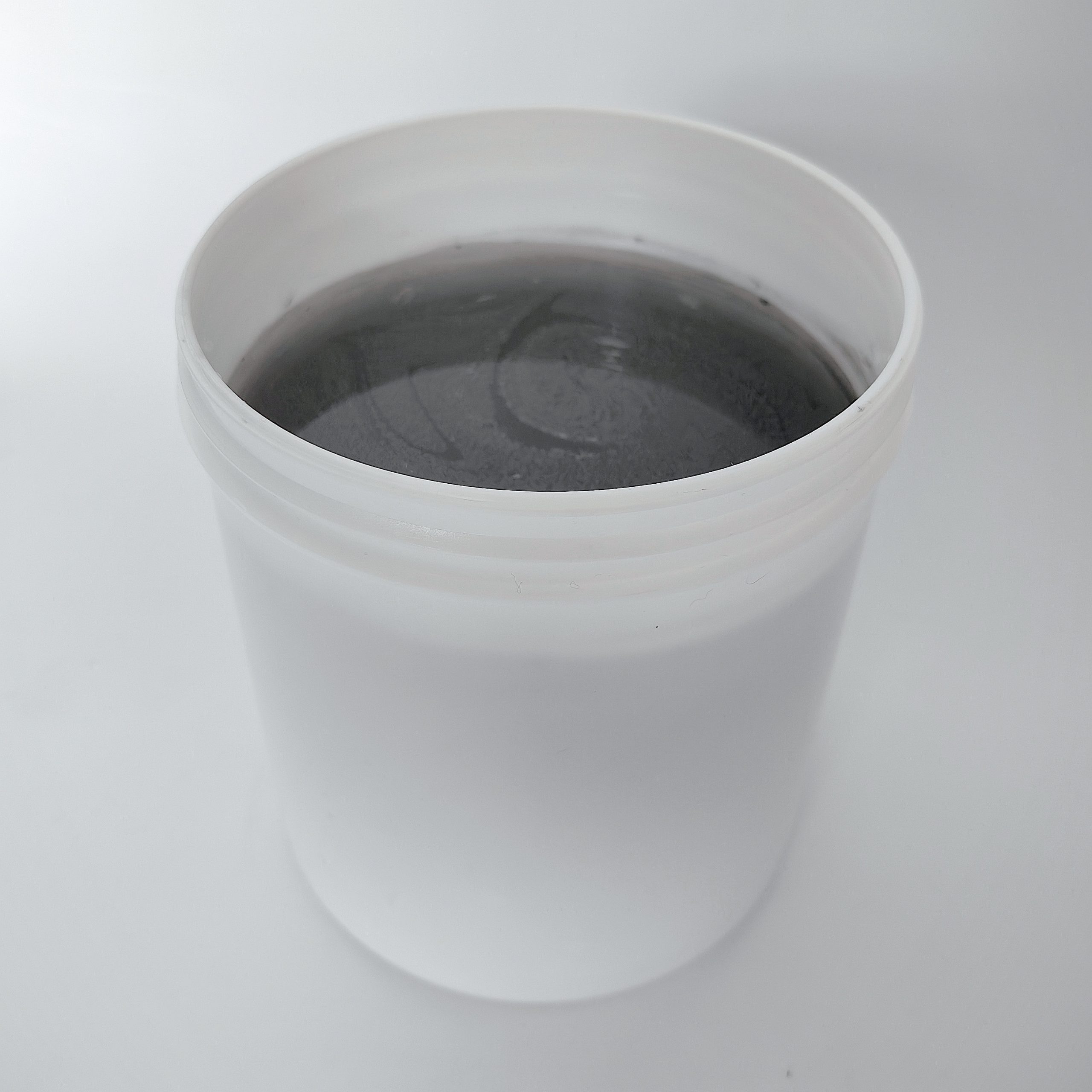
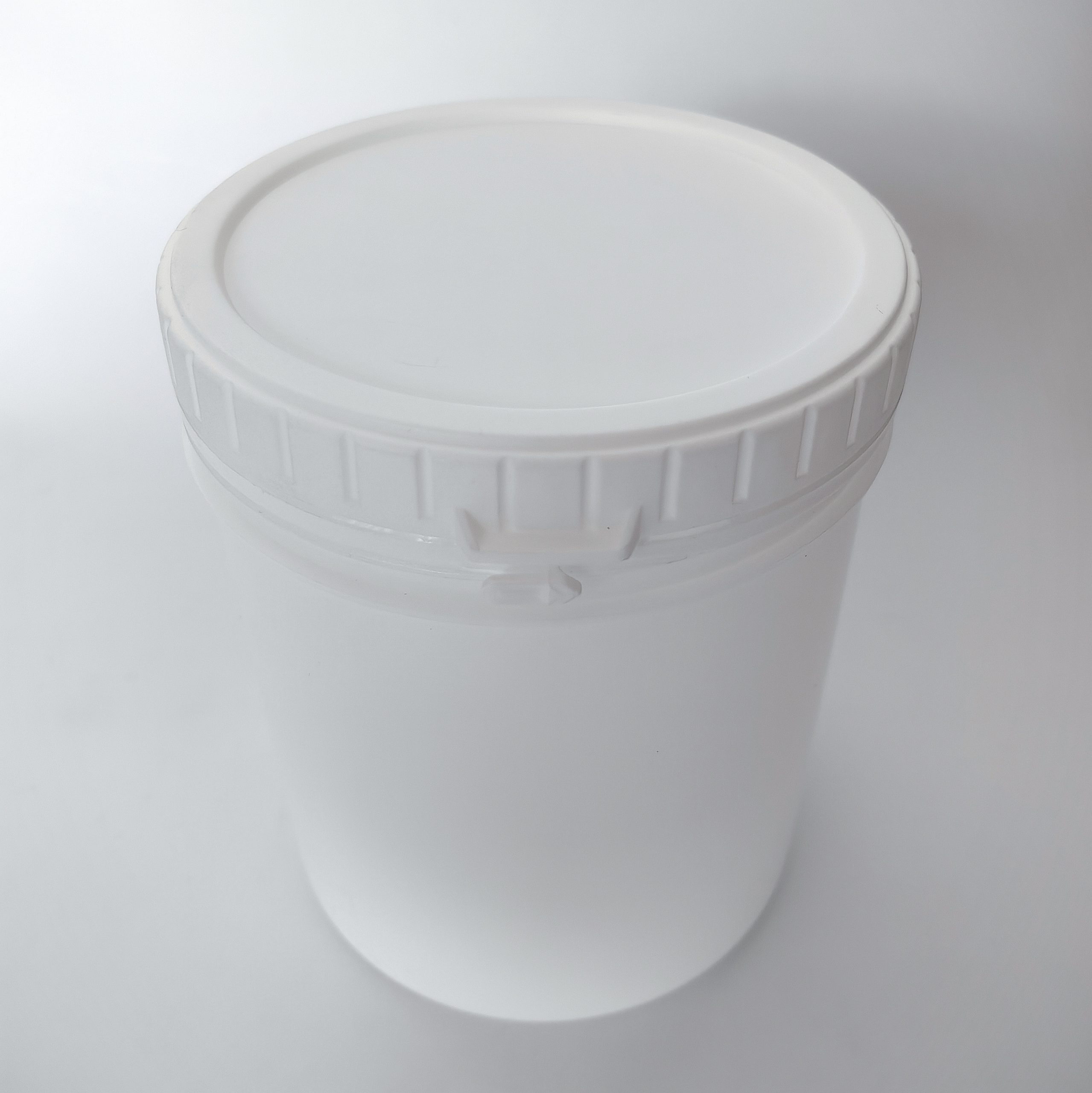
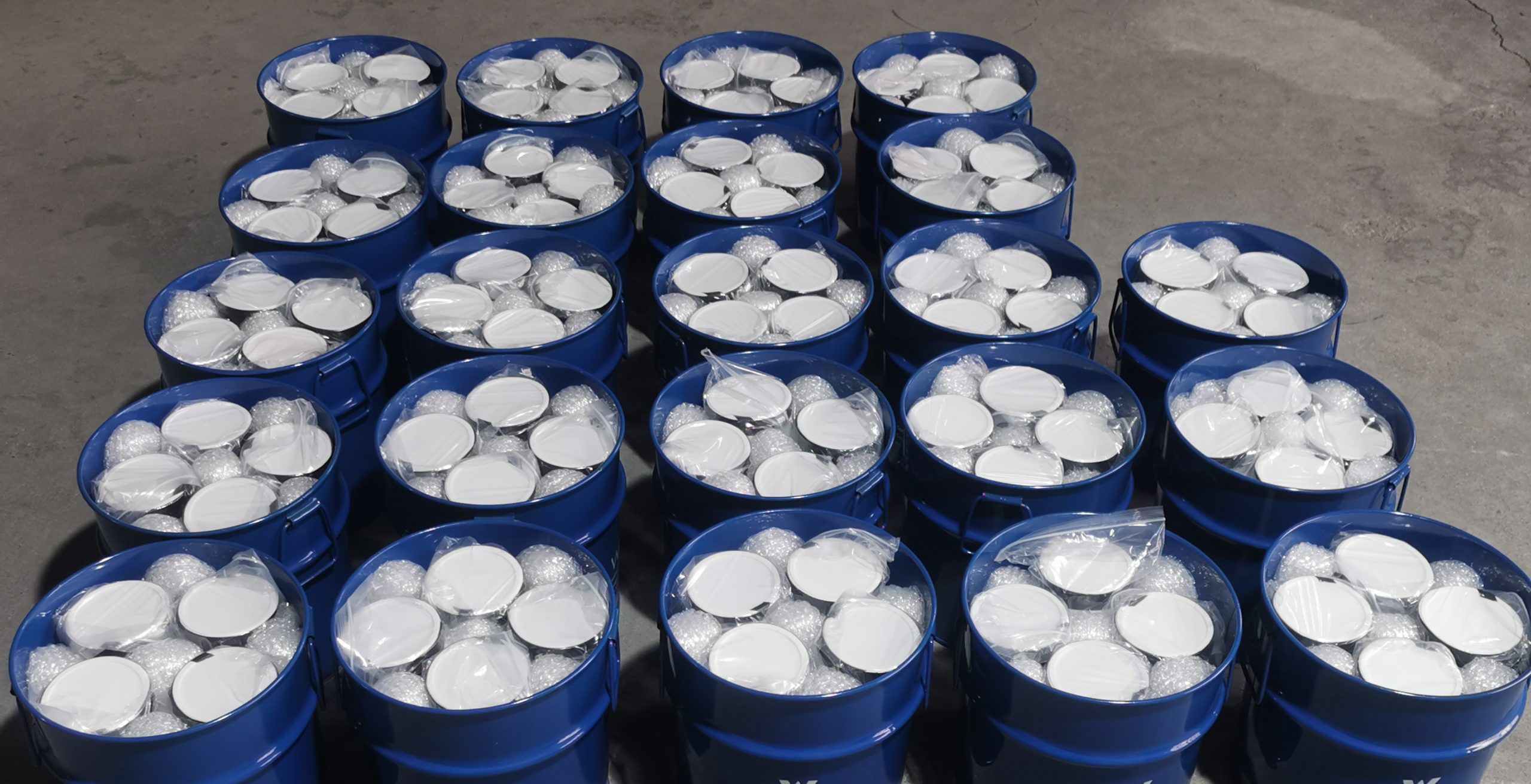
锆粉通常浸水瓶装,一瓶2千克,8瓶装在一铁桶内,均匀固定,以保证运输安全。
锆粉以其 高温稳定性、耐腐蚀性与核能兼容性,被广泛应用于高端制造与科研领域。
苏州科跃材料科技有限公司可提供多种纯度与粒径的高性能锆粉,适合科研、核能与真空应用。
📩 如需了解更多技术参数或获取报价,请联系:sales@keyuematerials.com
苏州科跃材料科技有限公司是一家专注于高纯材料、薄膜沉积靶材、特种合金及磁性材料研发与生产的高新技术企业。我们提供从高纯金属(3N~6N)、溅射靶材、蒸发材料到特种合金、磁性组件及定制加工的一站式材料解决方案,服务于半导体、新能源、航空航天、科研院所等领域。